How to Evaluate a Custom Application Development Company
TL;DR: Choosing the wrong custom application development company is one of the most expensive mistakes a business can make. The right questions separate real delivery partners from vendors who look polished in proposals but fail in execution. This guide provides you with 10 specific questions to ask any custom software company before signing, alongside the red flags to avoid and the green flags that signal a partner built for serious work.
Why Most Companies Choose the Wrong Development Partner
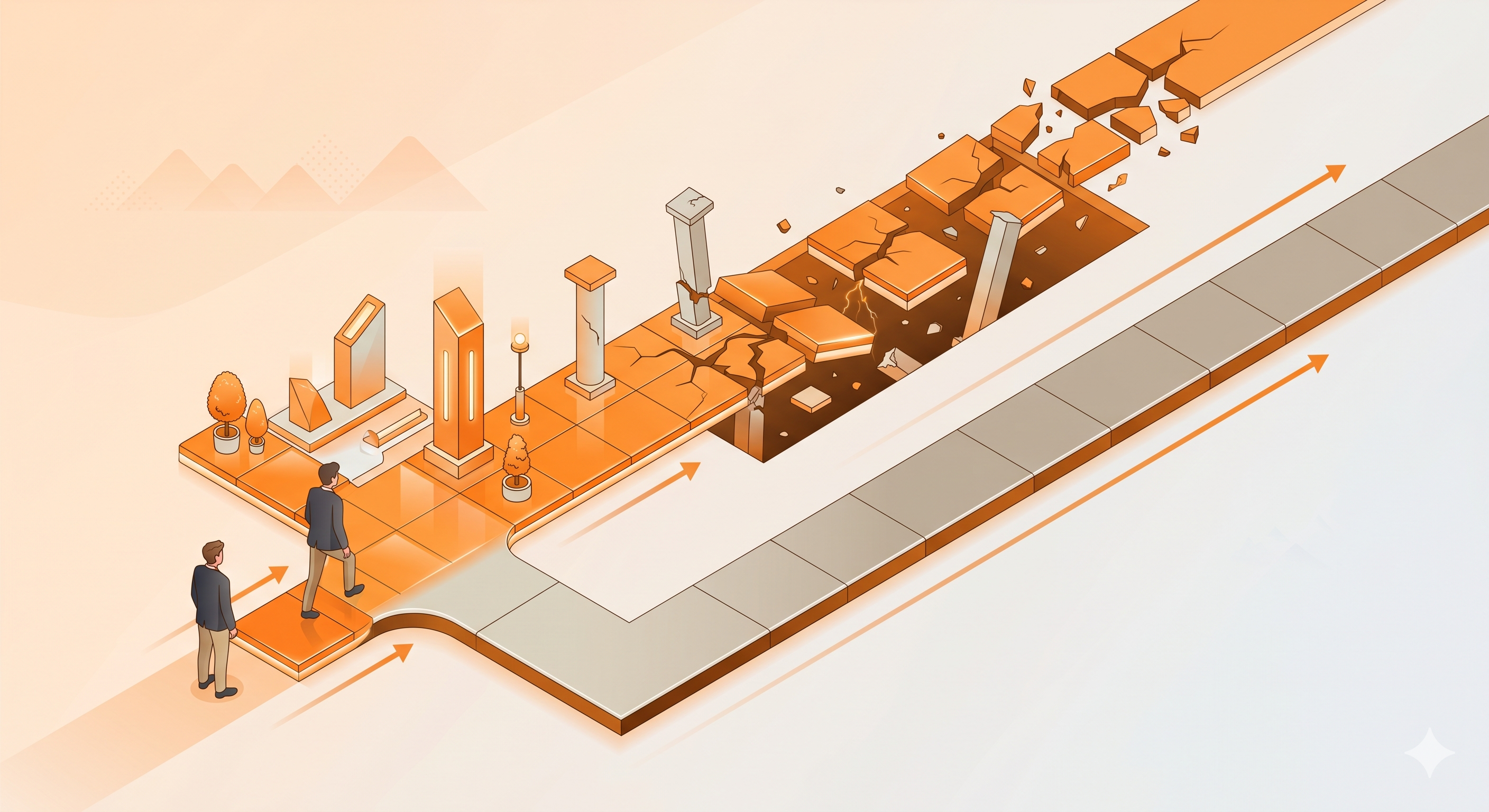
Most shortlisting processes focus on the wrong things. Companies compare portfolios, check Clutch ratings, and ask about tech stacks. Then six months into the project, they discover the senior engineers from the sales call have been replaced by juniors, scope changes are billed at rates nobody agreed on, and there's no clear path to owning the code they've been paying for.
Choosing a custom application development company is a high-stakes decision. The wrong partner doesn't just waste your budget. It delays your product, creates technical debt that costs more to unwind than it costs to build, and sets your roadmap six to twelve months behind where it should be.
This article gives you the framework to evaluate any custom application development agency before you sign, including the questions that actually separate strong partners from vendors who are good at selling.
Why does your choice of custom software partner matter so much?

Vendor selection is the highest-leverage decision in any custom software project. Poor vendor fit, not bad code, is the root cause behind most project failures, and switching vendors mid-project typically costs two to three times what it would have taken to finish with the current team. The due diligence you do before signing is worth more than any contingency budget you write into the contract. The Standish Group's CHAOS Report has consistently shown that roughly two-thirds of software projects run over budget, over schedule, or deliver fewer features than planned. That rate hasn't improved as dramatically as the industry would like, and the reason is usually not technology. It's misaligned expectations, unclear processes, and partners who said yes to everything during the pitch.
Custom application development company is more than a vendor. It serves as a technical partner, influencing your product’s architecture, long-term maintainability, and ongoing operational costs. This partnership warrants the same careful evaluation as hiring a senior engineering leader.
10 questions to ask any custom application development company
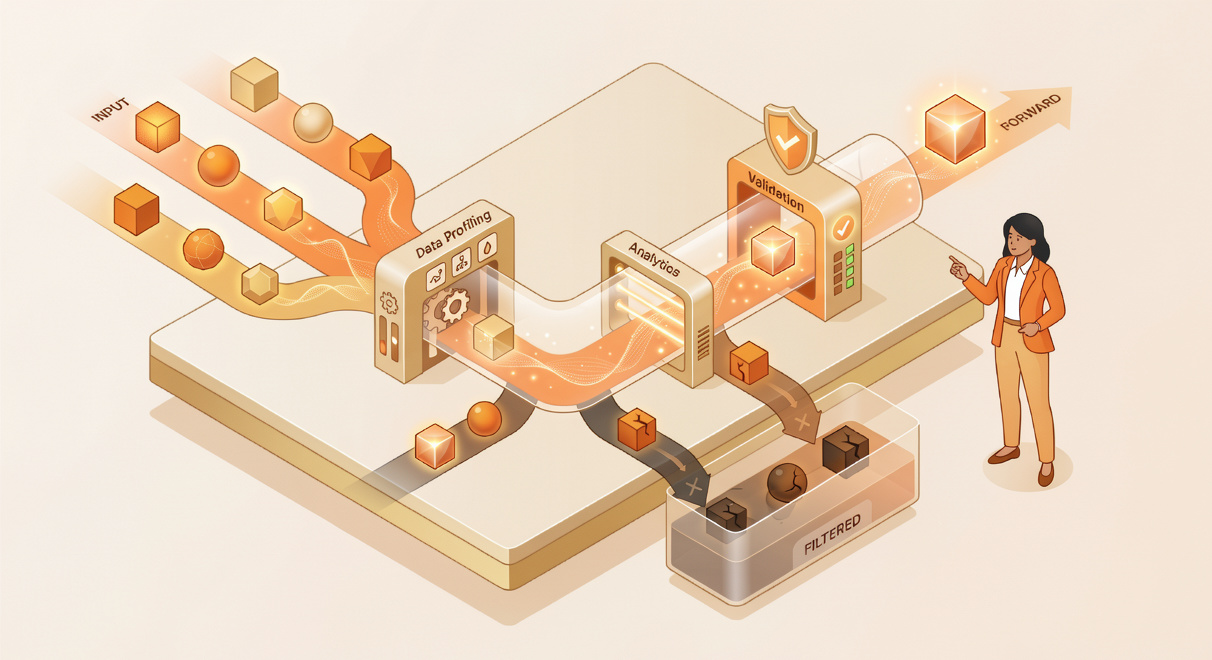
These questions are designed to surface how a company actually operates, not just how they present themselves. A clear, specific answer signals a serious partner. A vague or deflected answer signals a risk worth taking seriously.1
1) Can you show relevant work in my industry or a comparable product type? Ask for two to three case studies with specific outcomes: timelines, technical decisions, and measurable business results. A strong custom development company will explain what they built and why they made certain architecture choices. Portfolios full of screenshots and mockups with no context tell you very little about delivery capability.
2) Who specifically will work on my project, and at what seniority level? Many agencies present senior engineers during the sales process and assign junior teams to the actual build. This is one of the most consistent complaints from companies that have had difficult outsourcing experiences. Ask for named individuals and a clear breakdown of how much hands-on development will be led by senior versus mid-level engineers.
3) How do you structure discovery, and what do we get at the end of it? Discovery is where project scope, risks, and architecture get defined. A custom software company that skips discovery or treats it as a formality is a company that underestimates your project from day one. A strong partner runs a defined discovery phase, typically two to four weeks, and delivers a functional specification, a technical architecture document, and a revised effort estimate before development begins.
4) How are scope changes handled and priced? Scope changes happen on every project. The question is whether the process for handling them is fair and transparent. Ask for the exact change request workflow: how changes get documented, how they're priced, and who approves them. Auditing how vendors handle scope before signing significantly reduces the chance of expensive disputes later.
5) What does your QA and testing process look like across the project? If testing means developers checking their own code before delivery, expect bugs in production. A mature custom application development service runs dedicated QA engineers, builds automated test suites, and treats regression testing as a sprint-level activity, not a final step before launch.
6) Who owns the source code, IP, and documentation after delivery? Some vendors use contract language that gives you access to the code but retains licensing rights, making it prohibitively expensive to switch partners later. Explicit IP assignment to the client is a non-negotiable term. Full ownership of source code, documentation, and deployment configurations should be written clearly into the contract, not assumed.
7) What compliance certifications or security practices does your team follow? For projects in healthcare, finance, or SaaS, you need a team that builds with compliance in mind from the start, not one that retrofits it. Ask about GDPR, HIPAA, SOC 2, and PCI-DSS experience. Ask how they handle security reviews and what documentation they provide. Certifications aren't a guarantee of quality, but the absence of any documented security process is a concern.
8) How will we communicate, and who is our single point of contact? Communication problems that show up during the sales process reliably get worse once the project starts. A serious custom software development company names a specific delivery lead, defines a communication cadence (weekly reviews, sprint demos, async updates), and works in tools your team already uses. "We communicate constantly," but without a clear structure doesn't hold up under delivery pressure.
9) What does post-launch support look like, and what does it cost? Software needs active maintenance after launch: bug fixes, security patches, infrastructure updates, and incremental improvements. Many companies discover this cost later than they should. Ask for a defined support model with response time commitments and a pricing structure for ongoing work. A vendor without a clear post-launch offer may not plan to be available once the project closes.
10) How do you price projects, and what's in a standard contract? Fixed price, time-and-materials, and retainer models each carry different risks. Fixed price can work for well-defined scopes, but creates incentives to cut corners when estimates run tight. Time-and-materials gives you flexibility but requires closer oversight. Ask what model they recommend for your project type, why they recommend it, and what's explicitly excluded from the scope. Understanding pricing before you sign is always easier than disputing it after.
What are the main red flags when hiring a custom application development agency?
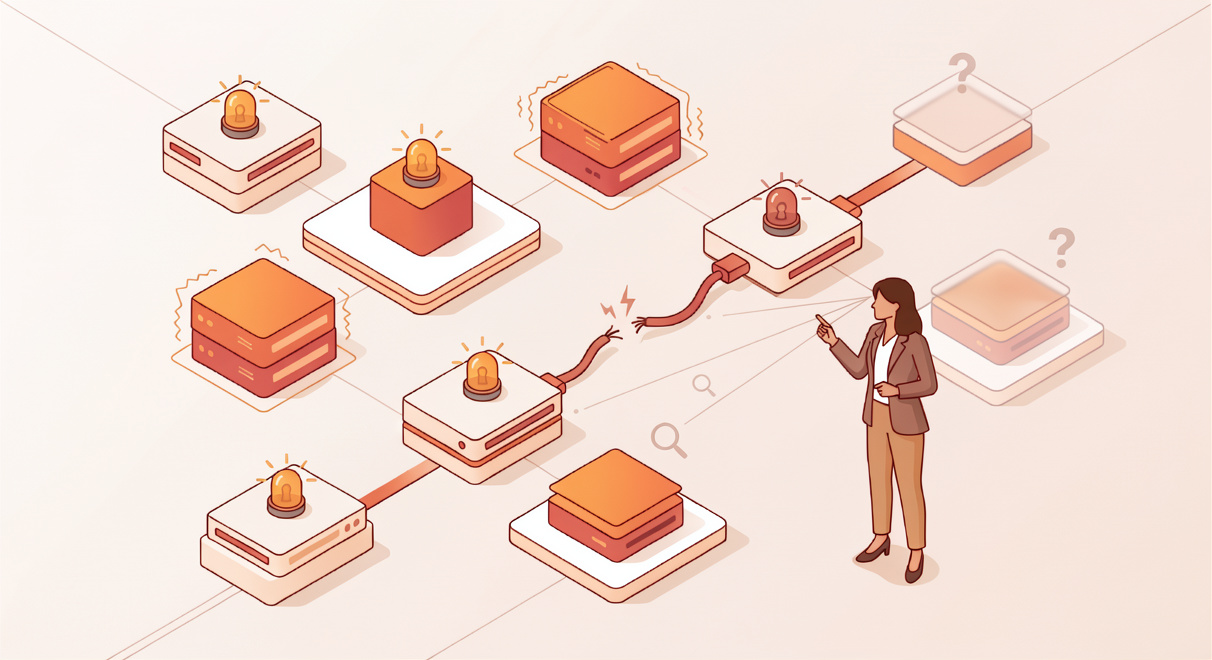
The clearest red flags in vendor selection are behavioral, not technical. A company that jumps to proposing a tech stack in the first meeting, avoids direct questions about team composition, or can't offer a single reference willing to take a call is signaling something about how they operate.
The most consistent warning signs include:
- Vague IP clauses: If the contract doesn't explicitly assign source code ownership to the client, it isn't theirs. Some vendors retain licensing rights that make switching partners prohibitively expensive. If the legal language is unclear, treat it as intentional.
- No discovery phase: A vendor who quotes a fixed price in the first conversation hasn't understood the project. Real estimates require real scope definition. Fast quotes serve the vendor's close rate, not the client's risk profile.
- Testing done by the development team only: Self-tested code consistently produces higher defect rates in production. If there's no dedicated QA function, quality is not a structural priority.
- High staff turnover: Developer turnover exceeding 20% can disrupt project continuity and result in the loss of key engineering knowledge. Consider asking how long the current team has worked together.
- Agreeing to every timeline and feature without discussion: Vendors who say yes to everything during a pitch are vendors who manage expectations reactively once the project is under pressure. A serious partner pushes back on unrealistic expectations before signing, not after missing a deadline.
- Zero same-day time zone overlap: Fully async relationships across eight or more time zones create coordination friction that compounds over long projects. Even two to three overlapping hours per day makes a meaningful difference on complex builds.
What do the best custom development companies actually do differently?

The best custom application development agencies don't just avoid red flags. They show you evidence of how they work before you ask for it: named teams on the proposal, a discovery process they've run dozens of times, references who take calls, and contracts that are clear on IP, scope, and what happens post-launch.
- They lead with discovery. A serious custom application development company pushes for a scoped discovery phase even when a client wants to move directly to development. They understand that skipping planning increases delivery risk for everyone.
- They name the team before the contract is signed. Not job titles. Named engineers with verifiable backgrounds and a commitment to senior technical staff lead architecture decisions, not just review them at the end.
- They give you the contract before you ask. Companies accustomed to working with serious clients maintain clear agreements on IP, scope change process, acceptance criteria, and post-launch terms. The absence of a ready contract is itself a data point.
- They offer references willing to take a call. Not testimonials on their website. Actual clients who will spend fifteen minutes telling you what the collaboration was really like, including what didn't go perfectly.
- They tell you when a timeline isn't realistic. A good partner explains what has to change to hit a compressed deadline: reduced scope, larger team, or a phased launch. They treat your roadmap as a shared problem, not a sales constraint.
Why clients choose Aionys
Aionys is a custom application development company supporting businesses building SaaS platforms, enterprise systems, mobile products, and MVPs. We combine deep engineering expertise with an efficient delivery model, allowing clients to achieve high-quality outcomes at rates typically 40 to 60 percent lower.
When clients put us through the 10 questions above, here's what they find:
- Contextual portfolio: We share case studies with real technical decisions and verifiable outcomes, not just finished product screenshots.
- Named senior teams: The engineers who scope your project build it. We don't rotate teams after contracts are signed.
- Structured discovery: Every project starts with a defined discovery phase. You receive a functional specification, a technical architecture document, and a revised estimate before development begins.
- Clean IP terms: You own everything outright: source code, documentation, deployment configurations. No licensing clauses, no lock-in
.
- A single delivery lead: One named point of contact who knows your project in detail and is accountable for what gets built.
If you're shortlisting partners for a custom software project and want a realistic scope and estimate, contact the Aionys team to get started.