Custom software development in 2026 typically costs between $20,000 and $300,000 for small to midsize projects, while complex enterprise systems often range from $300,000 to $2,000,000+.
The final budget depends on project scope, system architecture, integrations, compliance requirements, team location, and delivery model. For most companies, the real question is not simply how much software costs, but what level of complexity they need and what team structure makes the investment efficient.
As more businesses move beyond generic SaaS tools and legacy workflows, custom software has become a strategic asset rather than a technical luxury. Companies are investing in systems that reflect their internal processes, data models, customer journeys, and competitive differentiation. That shift is one reason custom software development remains a major growth area in 2026.
Why do software development costs vary so much in 2026

There is no single price for custom software development because custom software is not a single type of product. A lightweight internal dashboard, a SaaS platform with billing and multi-user permissions, and an enterprise system with legacy integrations all require different levels of engineering effort.
In 2026, software budgets are also shaped by new variables that were less important a few years ago: AI-assisted development workflows, cloud infrastructure planning, compliance requirements, data governance, and the growing need for proprietary workflows that off-the-shelf software cannot support.
That is why two vendors can quote the same project at very different levels. One may be estimating a basic build. Another may already be factoring in security, scalability, QA depth, DevOps, and future maintenance.
Average cost of custom software development
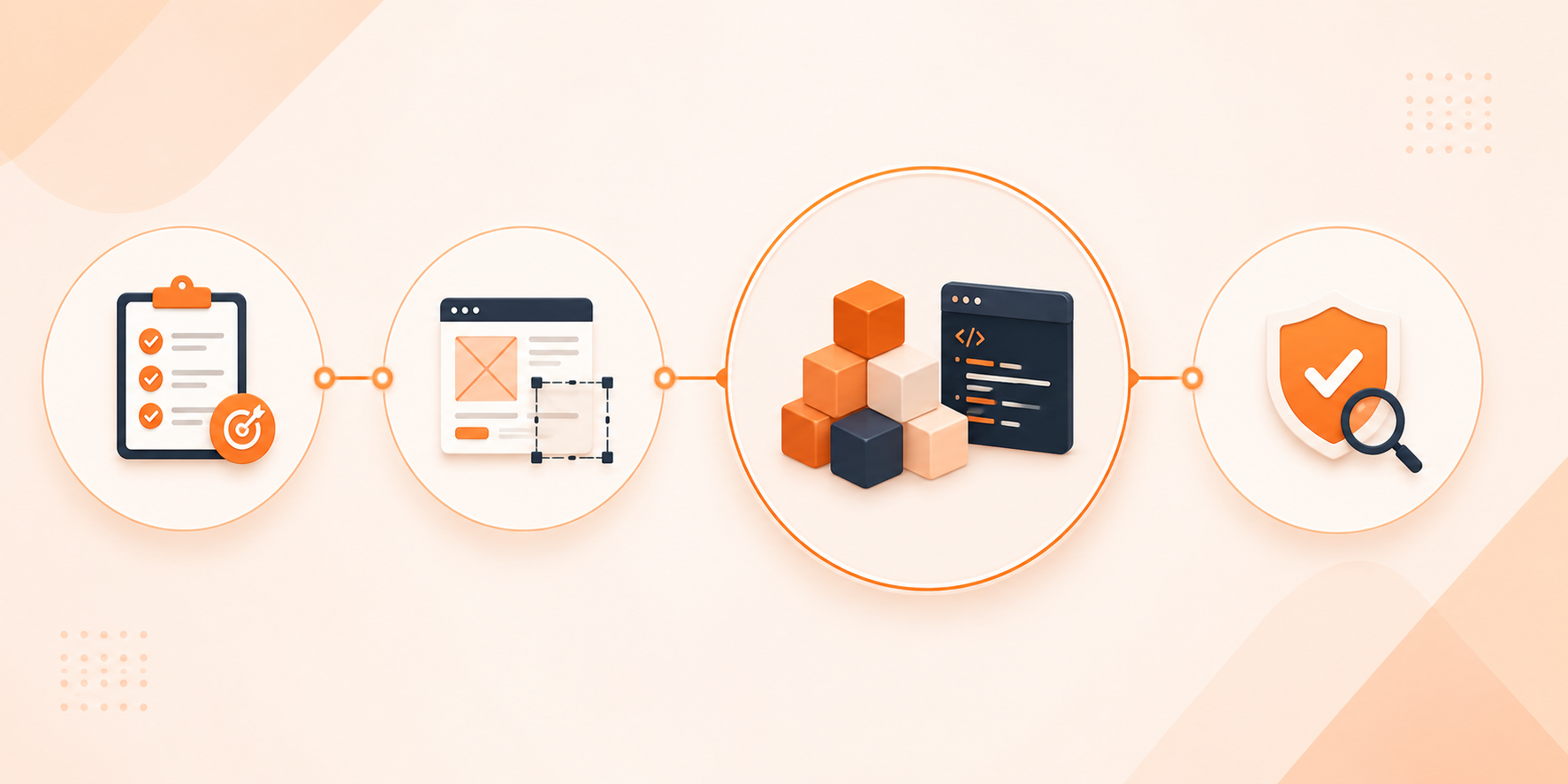
For most companies, custom software development falls into a few broad pricing bands based on complexity and business requirements.
Typical cost ranges in 2026
|
Project type
|
Typical cost range
|
Typical timeline
|
Examples
|
|
Small / basic custom project
|
$20,000–$75,000
|
1–3 months
|
Internal tools, basic web apps, simple MVPs
|
|
Typical SME project
|
$75,000–$300,000
|
3–8 months
|
CRMs, portals, booking systems, workflow software
|
|
Complex custom platform
|
$300,000–$1,000,000
|
6–18 months
|
SaaS products, data-heavy platforms, multi-role systems
|
|
Enterprise software
|
$500,000–$2,000,000+
|
12–36 months
|
ERP, banking, healthcare, enterprise modernization
|
A useful benchmark is that many serious custom software projects for small and midsize businesses land somewhere in the $75,000 to $250,000 range. That usually includes planning, design, development, testing, and deployment, not just coding.
Where the budget usually goes
A large share of the budget goes into engineering, but development is only one part of the total cost.
|
Phase
|
Typical share of the budget
|
|
Discovery and planning
|
10–15%
|
|
UI/UX design
|
5–20%
|
|
Core development
|
50–60%
|
|
QA and testing
|
10–25%
|
|
Deployment and DevOps
|
5–10%
|
A practical budgeting formula looks like this:
Estimated cost = total person-hours × blended hourly rate
In real projects, companies should also keep a contingency buffer. Scope changes, integration issues, and additional compliance needs often increase the initial budget by 10% to 25%.
Software development hourly rates by region
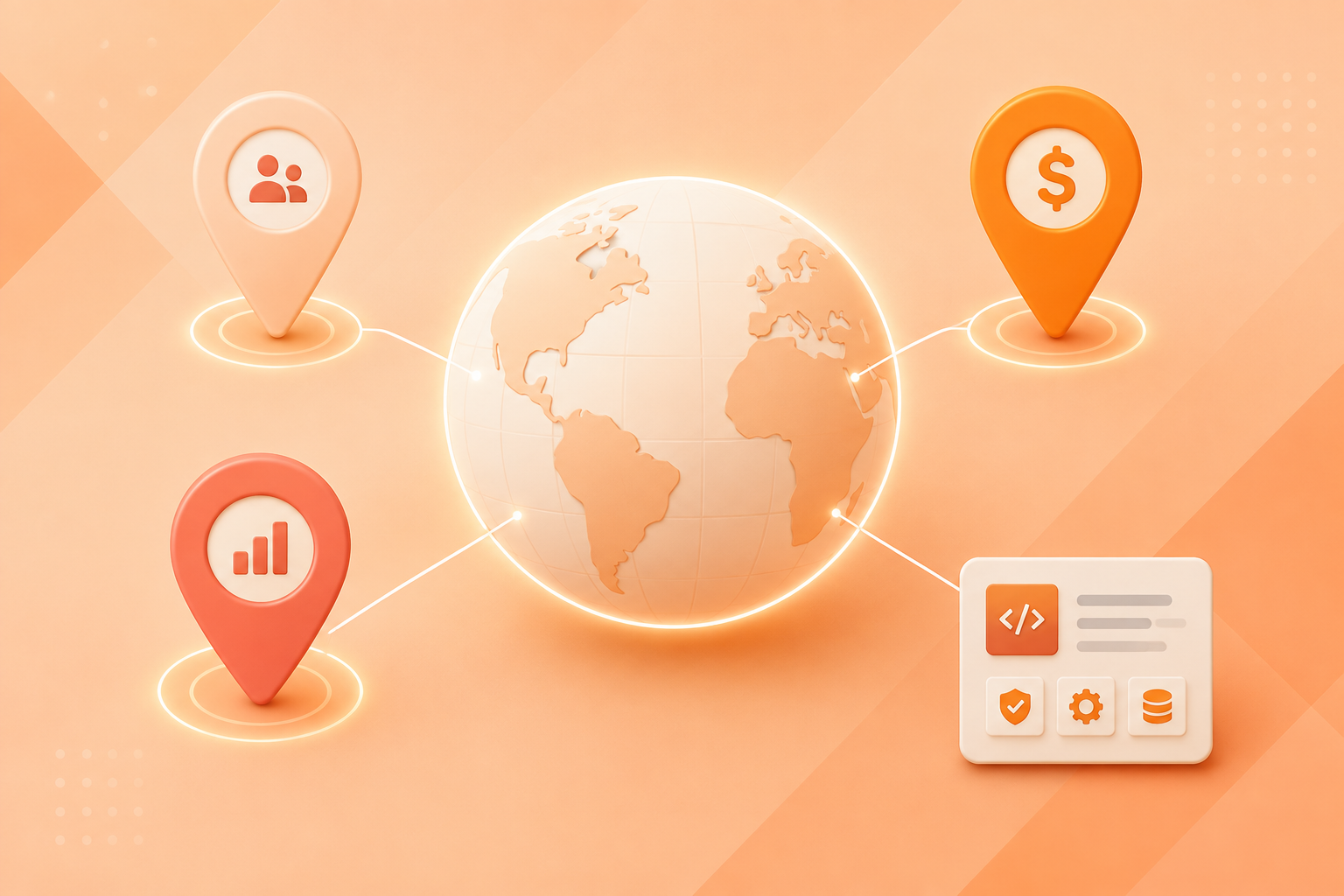
Team location remains one of the biggest cost drivers in software development. In 2026, companies are not just outsourcing to find cheaper talent. They are also choosing delivery regions based on technical depth, time zone fit, language skills, and compliance expectations.
Hourly rates by region
|
Region
|
Typical hourly rate
|
|
US / North America
|
$80–150+
|
|
Western Europe
|
$40–120
|
|
Eastern Europe
|
$25–85
|
|
Latin America
|
$25–85
|
|
Asia
|
$20–50 overall
|
Example regional positioning
|
Region
|
Example market view
|
|
US
|
Strong domain expertise, premium pricing, and high compliance maturity
|
|
Western Europe
|
Mature engineering markets, strong regulatory alignment
|
|
Eastern Europe
|
Strong quality-to-cost ratio, deep technical talent
|
|
Latin America
|
Nearshore advantage for US companies, good collaboration overlap
|
|
Asia
|
Large talent pools, strong cost efficiency, wide pricing range
|
Eastern Europe continues to stand out for companies that need strong engineering quality without North American pricing. That is one reason countries like Poland, Romania, and Ukraine remain major delivery hubs for custom software, SaaS, and product development.
For buyers, the important point is this: the cheapest hourly rate is rarely the lowest total cost. A more experienced team may cost more per hour but deliver faster, introduce less rework, and reduce long-term maintenance costs.
Cost to build different types of software
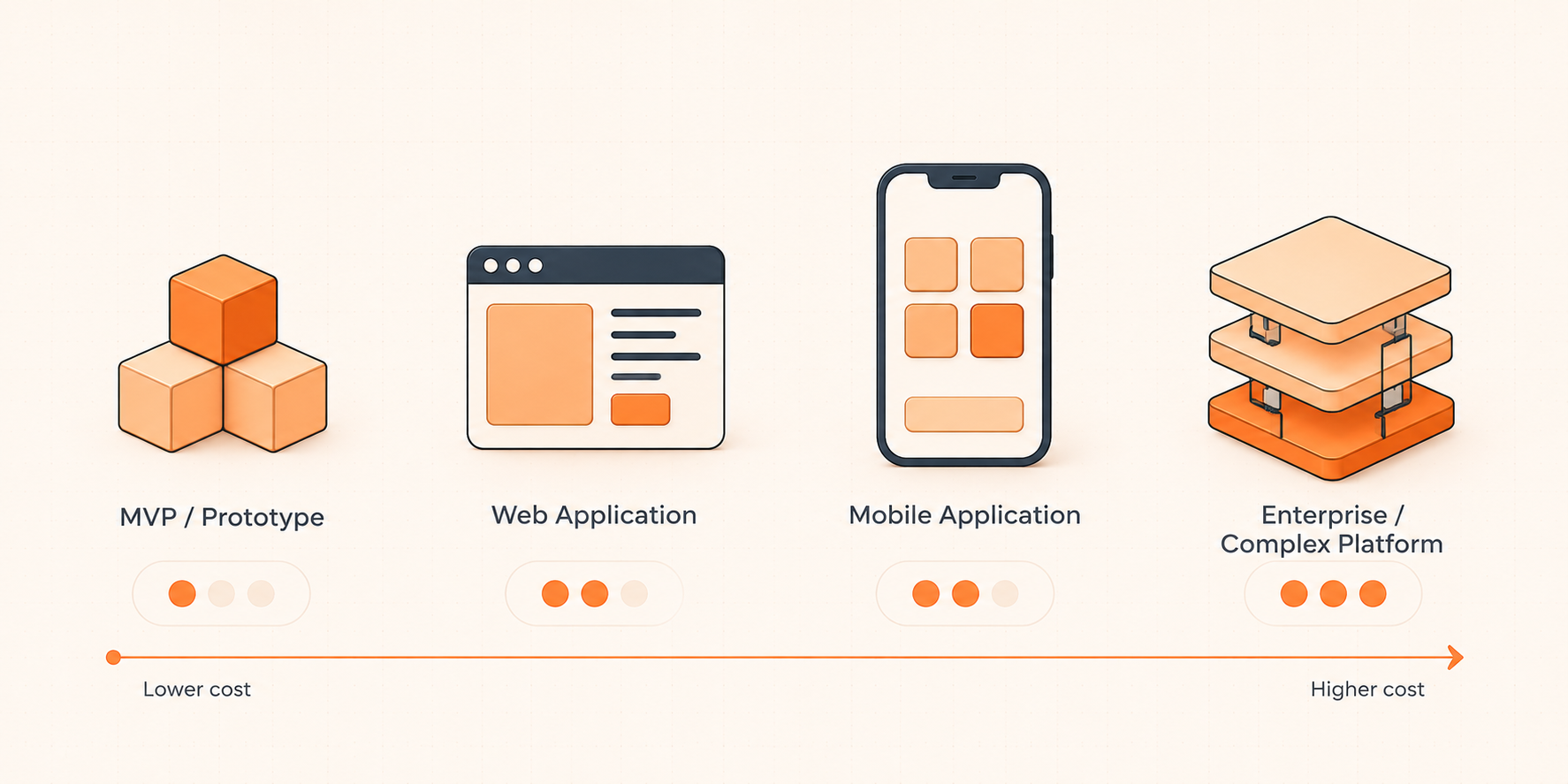
The type of product you are building directly affects cost. A mobile app, an MVP, a SaaS platform, and enterprise software all require different architectures, testing depth, and support requirements.
MVP development cost
An MVP is designed to validate the core product idea with the smallest viable feature set.
|
MVP type
|
Estimated cost
|
Timeline
|
|
Simple MVP
|
$15,000–$30,000
|
4–8 weeks
|
|
Mid-level MVP
|
$30,000–$70,000
|
8–16 weeks
|
|
Complex MVP
|
$70,000–$150,000+
|
16–24 weeks
|
For most companies, a realistic MVP budget in 2026 is $15,000 to $150,000. More advanced MVPs, especially SaaS or regulated products, can go beyond that.
Enterprise software cost
Enterprise software usually has the highest cost because it includes more workflows, more stakeholders, more security controls, and more integrations.
|
Enterprise software type
|
Estimated cost
|
|
Mid-size internal platform
|
$150,000–$500,000
|
|
ERP or complex enterprise system
|
$200,000–$1,000,000+
|
|
Large transformation program
|
$500,000–$2,000,000+
|
These budgets are common for systems involving role-based permissions, reporting layers, legacy modernization, or integration with existing business software.
Mobile app development cost
Mobile app pricing depends heavily on whether the product is built for one platform, two native platforms, or a cross-platform framework like Flutter or React Native.
|
Mobile product type
|
Estimated cost
|
Time to market
|
|
Simple mobile app
|
$30,000–$50,000
|
1–3 months
|
|
Mid-complexity app
|
$70,000–$150,000
|
3–6 months
|
|
Complex mobile app
|
$150,000–$300,000+
|
4–8 months
|
|
Enterprise-grade app
|
$300,000–$400,000+
|
Varies
|
Cross-platform development remains attractive in 2026 because it can reduce build time and maintenance effort while preserving strong performance for many commercial use cases.
SaaS development cost
SaaS products are typically more expensive than standard web applications because they require user roles, billing logic, security, scalability planning, and ongoing product support.
|
SaaS product type
|
Estimated cost
|
|
Lean SaaS MVP
|
$50,000–$100,000
|
|
Standard SaaS product
|
$100,000–$300,000
|
|
Enterprise SaaS platform
|
$300,000–$500,000+
|
A serious SaaS launch usually involves more than frontend and backend development. It often includes subscription billing, analytics, permission models, onboarding flows, API integrations, and infrastructure planning from day one.
Factors affecting development cost
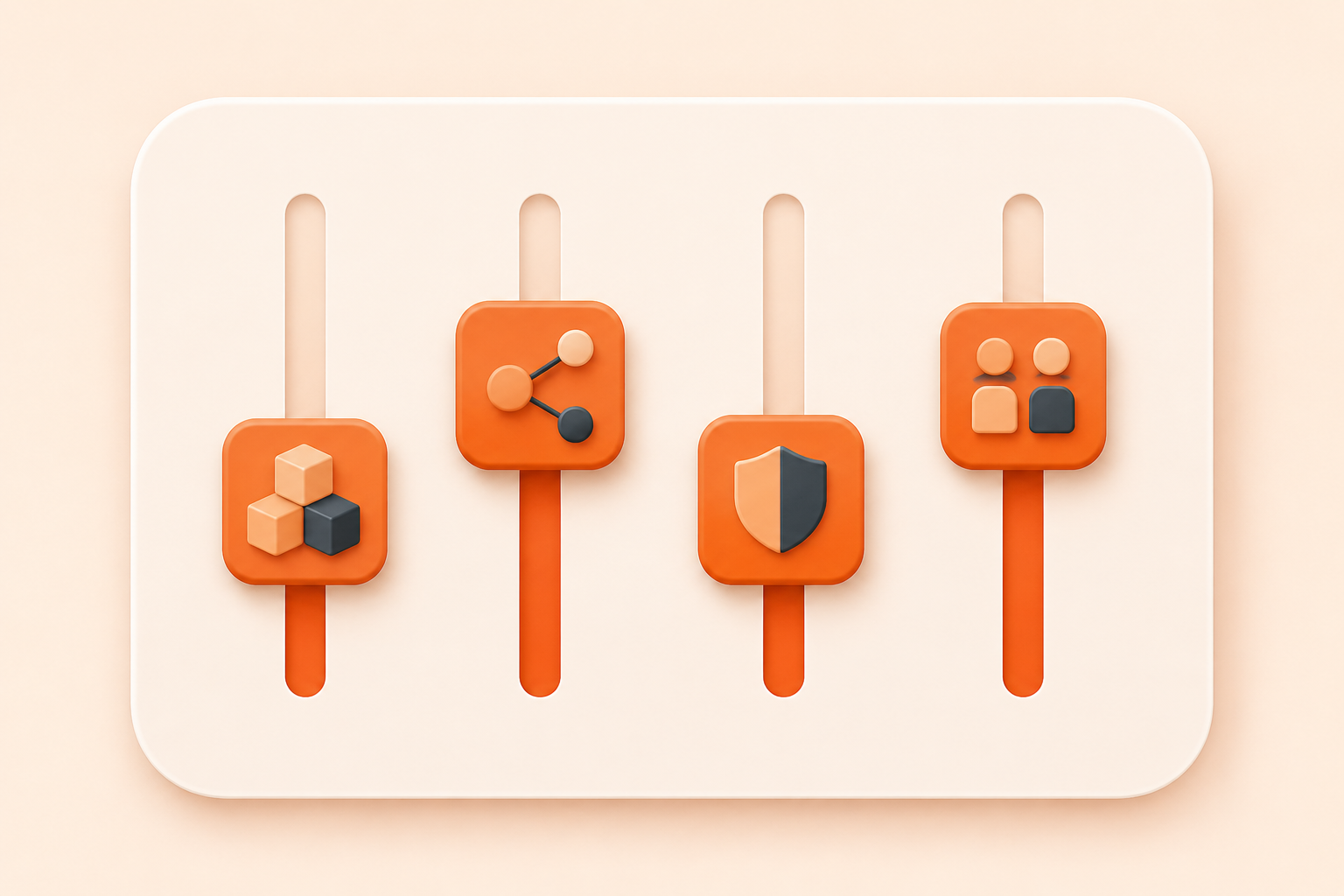
Software cost is not driven by one variable. It is the result of multiple technical and operational decisions.
1. Scope and feature complexity
The more workflows, user roles, permissions, dashboards, and integrations a product has, the more hours it will require. Complexity is the main driver behind most pricing differences.
2. Technology stack
Mainstream stacks usually have wider talent availability and more predictable costs. Specialized ecosystems, advanced AI infrastructure, or performance-critical systems can increase hourly rates and architecture effort.
3. Team location and structure
An all-US team, a hybrid nearshore model, and an Eastern European delivery team will have very different budget profiles. The mix of senior engineers, QA, DevOps, designers, and project managers also affects the final cost.
4. Design depth
Template-based interfaces are cheaper. Custom UX research, design systems, interactive flows, and polished user journeys increase budget but often improve adoption and retention.
5. Integrations
Standard integrations like payment gateways or maps are relatively predictable. Legacy ERP, healthcare systems, or custom enterprise platforms are much more expensive and often introduce risk.
6. Compliance and security
Industries such as healthcare, finance, and SaaS usually require stricter controls. GDPR, HIPAA, PCI-DSS, SOC 2 readiness, and auditability all add cost.
7. Timeline and urgency
Compressed timelines often require more parallel workstreams, senior-heavy teams, and tighter coordination. That usually increases cost.
8. Maintenance and support
Post-launch support matters. Many companies budget 15% to 20% of the initial development cost per year for bug fixes, security updates, infrastructure maintenance, and incremental improvements.
How to reduce software development cost
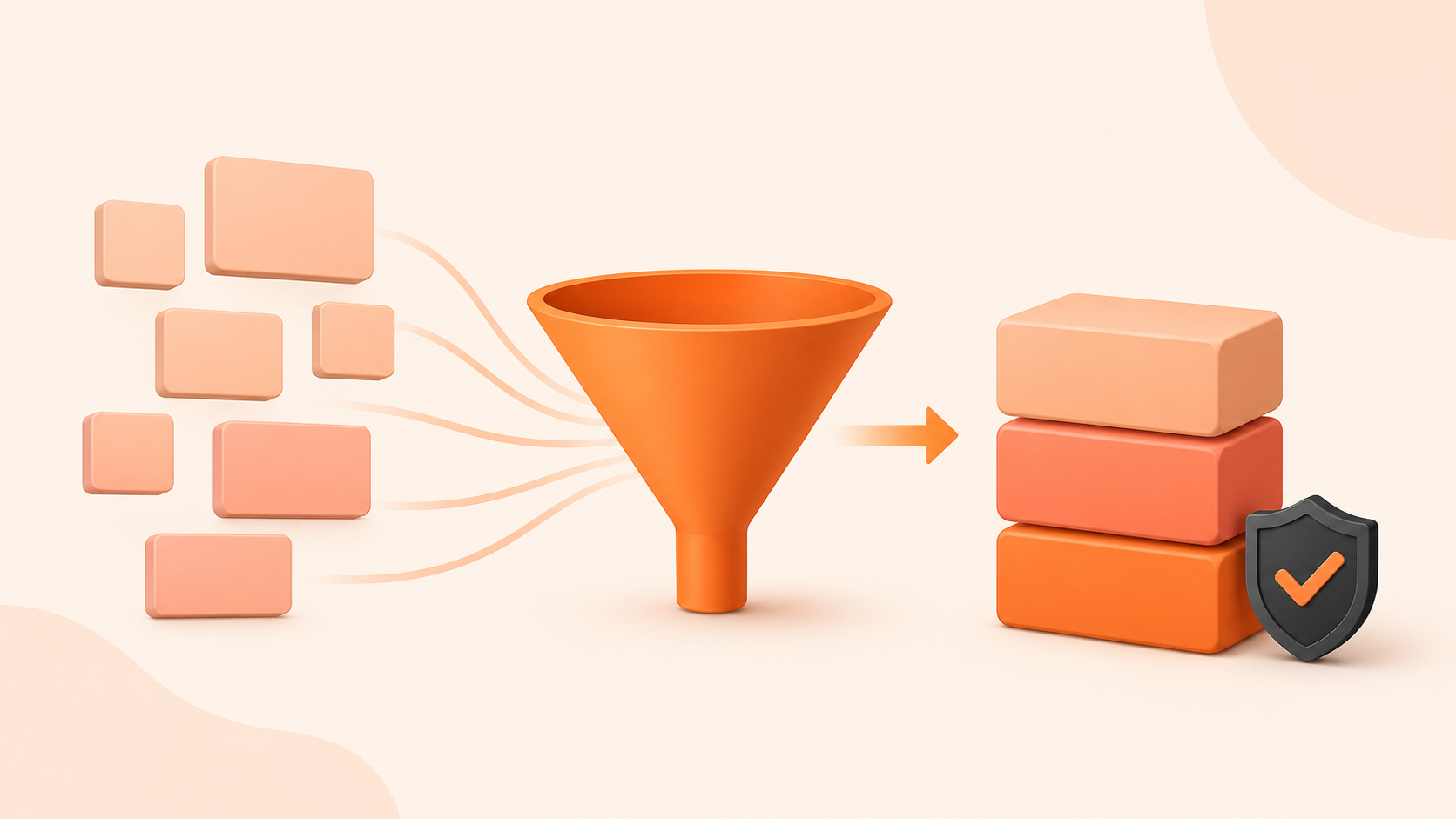
Reducing cost should not mean reducing quality. The most effective cost-control strategies are about reducing waste, avoiding rework, and focusing engineering time where it actually creates value.
1. Start with an MVP
Launching with a focused MVP can significantly reduce upfront spend. It allows companies to test market demand before investing in a larger platform.
2. Invest in discovery first
A structured discovery phase helps define scope, map requirements, identify integration risks, and prioritize features. That often prevents expensive rework later.
3. Prioritize must-have features
A large share of software waste comes from building features too early. Clear prioritization keeps teams focused on the business case instead of edge cases.
4. Choose the right delivery region
Nearshore or offshore teams can reduce labor costs substantially when vendor quality, communication, and technical fit are strong.
5. Use cross-platform and reusable components
Where appropriate, cross-platform frameworks, shared design systems, and modular architecture reduce both initial build cost and future maintenance costs.
6. Automate testing and delivery
CI/CD pipelines, test automation, and modern collaboration practices reduce manual work and improve release quality.
7. Manage cloud spend early
Infrastructure costs can become a long-term problem if they are ignored. Basic FinOps discipline helps keep hosting and cloud usage under control as the product scales.
Cost reduction checklist
|
Strategy
|
Main benefit
|
|
MVP-first scope
|
Lower upfront spend and faster validation
|
|
Paid discovery
|
Fewer surprises and less rework
|
|
Nearshore or offshore team
|
Lower labor cost
|
|
Cross-platform development
|
Faster delivery and lower maintenance
|
|
CI/CD and automation
|
Better quality and lower delivery friction
|
|
Modular architecture
|
Easier scaling and lower long-term cost
|
Why companies outsource software development
Outsourcing remains a standard delivery model in 2026 because it solves more than just budget problems. Companies also outsource to move faster, access scarce talent, and reduce hiring friction.
Access to specialized talent
Finding strong engineers in AI, cybersecurity, DevOps, data engineering, or enterprise integrations is difficult in many local markets. An outsourcing partner can provide those capabilities faster than internal hiring.
Lower operational overhead
In-house hiring includes recruiting costs, salaries, benefits, management overhead, and retention risk. Outsourcing converts part of that fixed cost into a more flexible operating model.
Faster time to market
Established delivery teams already have processes, tooling, and working relationships in place. That reduces onboarding time and helps products move into development faster.
Better scalability
Many companies do not need the same team size throughout the entire software lifecycle. Outsourcing makes it easier to scale up for the build phase and scale down for maintenance.
Strategic flexibility
For many companies, outsourcing is now a sourcing decision, not just a cost decision. It allows them to match project complexity, internal capacity, and budget with the right delivery model.
In-house vs outsourced development
|
Factor
|
In-house
|
Outsourced
|
|
Initial cost
|
Higher
|
Lower to moderate
|
|
Speed to start
|
Slower
|
Faster
|
|
Access to specialists
|
Limited to the local market
|
Wider global access
|
|
Scalability
|
Harder
|
Easier
|
|
Overhead
|
High
|
Lower
|
|
Flexibility
|
Lower
|
Higher
|
Conclusion
Custom software development cost in 2026 depends on the product you are building, the team you hire, and the level of technical and business complexity involved. Small projects can start around $20,000 to $75,000, typical business software often lands in the $75,000 to $300,000 range, and enterprise-grade systems frequently require $500,000+ budgets.
The most effective way to manage cost is not to chase the lowest hourly rate. It is to define the scope clearly, validate with an MVP, choose the right delivery model, and work with a team that can balance speed, quality, and long-term maintainability.
For companies planning a new software product, the right budgeting approach starts with discovery, not guesswork.